
Bok Choy 101: How To Cook Bok Choy
Bok Choy 101: How To Cook Bok Choy
Bok choy is a leafy green cruciferous vegetable in the mustard family, cultivated in China since the 5th century and considered the oldest of the Asian greens. Its mild, slightly sweet flavor and crisp, juicy stalks make it one of the most versatile ingredients in both home and professional kitchens.
This guide covers bok choy's origins and nutritional profile, its common varieties, selection and storage, proper cleaning and preparation techniques, cooking methods and flavor pairings, and common mistakes to avoid.
Bok choy arrived in the United States through Chinese immigration to California in the 1800s and has since become a staple in grocery stores nationwide. One cup of raw bok choy contains just 9.1 calories while delivering significant amounts of vitamins C and K, calcium, and bone-supporting minerals.
Varieties range from standard bok choy at eight to eleven inches tall to compact dwarf types only three to four inches long. Each differs in stalk thickness, flavor intensity, and ideal cooking application. Smaller varieties are more perishable and should be used within three days of purchase.
Cleaning requires thorough rinsing to remove grit trapped in the tightly packed base, and preparation depends on the cooking method. Slicing stems crosswise suits stir-frying; halving lengthwise works best for roasting.
Stir-frying, roasting, steaming, blanching, and braising each highlight different qualities of bok choy. Separating stems from leaves before cooking is essential, since stems need more heat while leaves wilt in under two minutes. Bold sauces like soy, oyster, and hoisin complement its subtle sweetness without overpowering it.
You can also explore where to enjoy bok choy in Coconut Grove at Glass & Vine, where the dinner menu features preparations of this remarkable green.
What Is Bok Choy?
Bok choy is a leafy green cruciferous vegetable belonging to the mustard family (Brassicaceae). Cultivated in China since the 5th century, it is considered the oldest of the Asian greens. The sections below cover its origins, flavor profile, and nutritional value.
Where Does Bok Choy Originate?
Bok choy originates in China, where farmers have cultivated it for over 1,500 years. From there, the vegetable spread across East and Southeast Asia before reaching Western kitchens. According to FoodPrint, its history in the United States is closely linked with Chinese immigration to California in the 1800s, where by 1870, Chinese immigrants made up between 15 and 50 percent of the farm labor force and brought many Chinese vegetable crops with them. Through the broader Chinese diaspora of the 19th century, bok choy also found its way into Caribbean cuisines, appearing on menus in Trinidad, Jamaica, and Cuba. For any ingredient with that kind of global journey, versatility in the kitchen is practically guaranteed.
What Does Bok Choy Taste Like?
Bok choy tastes mild and slightly sweet, with a subtle peppery, mustardy undertone. The crisp, juicy stalks contrast with the soft, tender leaves, creating a balance of textures in every bite. Flavor and texture vary between varieties:
- Standard bok choy stands 8 to 11 inches tall with white stalks and dark green leaves; according to chef and author Grace Young, it can be tougher and stringier than smaller varieties.
- Shanghai (baby) bok choy features pale green, spoon-shaped stems and a more delicate, sweeter flavor.
If you notice small black flecks on the ribs, that condition is known as "pepper spot," a harmless cosmetic issue that does not affect taste or texture.
What Nutrients Does Bok Choy Contain?
Bok choy contains an impressive range of vitamins and minerals relative to its calorie count. According to USDA FoodData Central, one cup (70g) of raw, shredded bok choy provides:
- 9.1 calories
- 1.5 grams of carbohydrates
- 0.7 grams of fiber
- 1.1 grams of protein
Beyond macronutrients, bok choy is an especially good source of vitamins C and K, along with bone-supporting minerals such as calcium, phosphorus, zinc, and magnesium. That nutrient density at under 10 calories per cup makes bok choy one of the most efficient ways to add micronutrients to any dish.
Understanding what bok choy is and what it offers sets the stage for choosing the right variety for your next meal.
What Are the Common Varieties of Bok Choy?
The common varieties of bok choy include Shanghai, baby, standard, and dwarf types. Each differs in size, stalk color, and culinary application.
Shanghai Bok Choy
Shanghai bok choy is a pale-green variety recognized for its spoon-shaped stems and delicate, mildly sweet flavor. Unlike standard bok choy, which has white stalks, Shanghai bok choy features uniformly light green stalks and leaves. This compact size and tender texture make it a favorite for quick stir-fries and light braises. According to Nutrition and You, farmers in Hong Kong, Taiwan, and mainland China grow more than 20 varieties of bok choy, though the types typically cultivated in California are regular, Shanghai, and baby. Most Americans encounter Shanghai bok choy labeled simply as "baby bok choy" in grocery stores, so checking stalk color helps distinguish the two.
Baby Bok Choy
Baby bok choy is a young, early-harvested plant, typically four to six inches tall, with crisp white stalks and dark green leaves. Its small size allows it to be cooked whole or halved, which makes it ideal for presentation-focused dishes. The flavor is milder and more tender than full-grown bok choy, so it requires very little cooking time. According to A Pure Palate, blanching baby bok choy in salted boiling water for just 30 to 40 seconds, followed by an immediate ice bath, preserves its vibrant color and crisp texture. For home cooks new to this vegetable, baby bok choy is the most forgiving variety to work with.
Standard Bok Choy
Standard bok choy is the largest common variety, measuring eight to eleven inches tall with thick white stalks and broad dark green leaves. The stalks are juicier and more fibrous than smaller varieties, while the leaves carry a slightly stronger, peppery flavor. Because of this size difference between stalk and leaf, separating the two before cooking ensures even results. Standard bok choy holds up well in soups, braises, and longer stir-fries where its sturdy texture absorbs sauces without breaking down. This is the variety most often sold in bunches at Asian grocery stores and farmers' markets.
Dwarf Bok Choy
Dwarf bok choy is a compact cultivar that grows even smaller than baby bok choy, typically reaching only three to four inches. Its squat, rosette-shaped heads feature proportionally wider stalks relative to leaf size, producing a higher crunch-to-green ratio per bite. This variety cooks in seconds, making it well suited for quick sautés, garnishes, and raw applications in salads. Because of its petite size, dwarf bok choy works particularly well as an individual portion on composed plates. Recognizing these size and texture distinctions helps when choosing fresh bok choy at the market.
How Do You Select and Store Fresh Bok Choy?
You select and store fresh bok choy by choosing bunches with crisp leaves and firm stalks, then refrigerating them properly to preserve texture and nutrients. The following sections cover buying indicators, refrigerator shelf life, and freezing options.
What Should You Look for When Buying Bok Choy?
When buying bok choy, you should look for vibrant, crisp leaves without any wilting, yellowing, or browning, paired with firm, juicy stalks. Avoid any bunches showing signs of mold, sliminess, or strong odors. According to North Carolina State University Extension, these visual and tactile cues are the most reliable freshness indicators at the market.
Occasionally, black flecks appear on the ribs, a harmless cosmetic condition called "pepper spot" that does not affect taste or texture. Smaller varieties tend to be more perishable, so plan to use them quickly. For the best results, give each bunch a gentle squeeze; the stalks should feel dense and snap cleanly rather than bend.
How Long Does Bok Choy Last in the Refrigerator?
Bok choy lasts in the refrigerator for approximately three to five days, depending on variety size. According to Epicurious, smaller varieties should be used within three days, while larger counterparts keep for about five days when stored in mesh bags or damp kitchen towels in the crisper drawer.
Proper storage matters because bok choy retains significant nutritional value when fresh, including vitamin C, vitamin K, and vitamin A. Wrapping unwashed heads loosely allows airflow while preventing excess moisture buildup that accelerates decay. For home cooks who buy bok choy in advance, checking for wilting daily and trimming any softened outer leaves helps extend usable life by a day or two.
Can You Freeze Bok Choy?
Yes, you can freeze bok choy, though blanching it first preserves texture and color far better than freezing raw. To freeze properly, separate the stalks from the leaves, blanch the stalks for about two minutes and the leaves for 30 seconds, then transfer everything to an ice bath. Once cooled, pat the pieces dry, spread them on a sheet pan to freeze individually, and transfer to airtight freezer bags.
Frozen bok choy works best in cooked applications, such as soups, stir-fries, and braises, where the softer post-thaw texture blends seamlessly. Expect it to keep well for up to three months in the freezer.
With properly stored bok choy on hand, the next step is learning how to clean it thoroughly before cooking.
How Do You Clean Bok Choy Properly?
You clean bok choy properly by rinsing it thoroughly to remove soil, sand, and grit trapped in its tightly packed base. The method depends on whether you wash whole heads, separated leaves, or target the stubborn dirt between stalks.
How Do You Clean Whole Heads of Bok Choy?
You clean whole heads of bok choy by submerging them in a large bowl of cold water. Hold the head by the leafy end and swish it vigorously, allowing gravity to pull grit downward and out from the base. Lift the bok choy out, drain the bowl, and repeat with fresh water until no sediment remains at the bottom. For baby bok choy, which has a tighter core, halving the head lengthwise before soaking exposes more surface area between the stalks. Pat the heads dry with a clean towel before cooking to prevent excess moisture from causing oil splatter during stir-frying.
How Do You Clean Separated Bok Choy Leaves?
You clean separated bok choy leaves by peeling each leaf from the base and rinsing them individually under cool running water. Run your fingers along the inner curve of each stalk, where soil collects most heavily. A quick soak in a bowl of cold water for two to three minutes loosens any remaining particles. Gently agitate the leaves, then lift them out and place them in a colander to drain. This leaf-by-leaf approach is especially effective for larger, mature bok choy, since full-grown heads accumulate more debris in their deeper crevices than compact baby varieties.
How Do You Remove Dirt Trapped Between the Stalks?
You remove dirt trapped between the stalks by trimming roughly half an inch from the base of the bok choy head. This cut loosens the tightly bunched stalks and exposes the inner crevices where soil, sand, and even small insects hide. After trimming, fan the stalks apart under running water and use your thumb to wipe the inner surface of each one. For particularly gritty heads, a brief soak in lukewarm water helps dissolve compacted dirt more effectively than cold water alone. Thorough cleaning at this stage ensures no unpleasant grit carries over into your finished dish.
With a clean head of bok choy in hand, the next step is cutting and preparing it for your chosen cooking method.
How Do You Prepare Bok Choy for Cooking?
You prepare bok choy for cooking by trimming the base, cutting it to suit your cooking method, and deciding whether to separate stems from leaves. The approach varies for stir-frying, soups, and roasting.
How Do You Cut Bok Choy for Stir-Frying?
You cut bok choy for stir-frying by slicing the stems crosswise into half-inch pieces and roughly chopping the leaves into wider ribbons. This size difference matters because the stems need more heat exposure than the delicate leaves. Start by trimming the base, then slice the stalks on a slight diagonal to increase surface area for better searing and sauce absorption. Cut the leafy tops separately into broader strips. Keeping stems and leaves in two piles lets you stagger their addition to the wok, producing crisp stalks and barely wilted greens in the finished dish.
How Do You Prepare Bok Choy for Soups?
You prepare bok choy for soups by cutting it into larger, chunkier pieces that hold up during simmering. Trim the base and slice the stalks into one-inch segments. Keep the leaves in wide pieces rather than fine ribbons, since they will soften quickly in hot broth. Add the stalk pieces first and allow them a few minutes of cooking time before stirring in the leaves during the final minute or two. This staggered approach prevents the greens from turning limp while ensuring the stalks become tender. For a cleaner presentation, quarter baby bok choy lengthwise instead.
How Do You Prepare Baby Bok Choy Halves for Roasting?
You prepare baby bok choy halves for roasting by slicing each head in half lengthwise through the core. The intact core holds the leaves and stems together, creating a single piece that caramelizes beautifully on the cut side. After halving, pat each piece dry with a towel so oil adheres evenly and the surface browns rather than steams. Lightly coat the cut sides with oil and season with salt before placing them cut-side down on a hot sheet pan. Roasting at high heat, around 425°F, concentrates flavor and produces charred edges while keeping the interior juicy.
Should You Separate the Stems from the Leaves?
Yes, you should separate the stems from the leaves for most cooking methods. Bok choy stems are thick and dense, while the leaves are thin and delicate; cooking them together at the same pace produces either mushy leaves or undercooked stalks. According to The Veggie Wifey, trimming the bok choy stems decreases cooking time, helps clean the vegetable from the bottom up, and separates the leaves, though you only need to cut off enough to free the leaves apart to preserve nutrients. For roasting baby bok choy halves, separation is unnecessary since the core keeps everything intact.
With your bok choy trimmed and portioned, the next step is choosing the right cooking method.
What Are the Best Ways to Cook Bok Choy?
The best ways to cook bok choy include stir-frying, roasting, grilling, steaming, blanching, braising, and adding it to soups and stews. Each method highlights different qualities of this versatile vegetable.
How Do You Stir-Fry Bok Choy?
You stir-fry bok choy by heating a wok or large skillet over high heat with a neutral oil, then cooking the stalks first for one to two minutes before adding the leaves. The high heat creates a light char on the stems while keeping them crisp. Garlic, ginger, and soy sauce are classic aromatics to add during the final thirty seconds. According to Bon Appétit, many chefs recommend separating stalks from leaves because stalks take considerably longer to cook, and the leaves typically need no more than two minutes to wilt. Stir-frying is arguably the single best method for preserving bok choy's signature crunch and mild sweetness simultaneously.
How Do You Roast or Grill Bok Choy?
You roast or grill bok choy by halving baby bok choy lengthwise, tossing with olive oil and salt, then cooking cut-side down until caramelized. Key steps for each method:
- Roasting: Spread halves on a sheet pan and roast at 425°F for 12 to 15 minutes until the edges turn golden brown.
- Grilling: Place halves directly on medium-high grates for two to three minutes per side until lightly charred.
Both techniques concentrate the natural sugars in the stalks, producing a nutty, slightly sweet depth that raw or steamed preparations cannot match. Restaurants focused on showcasing fresh, locally-sourced ingredients often feature roasted or grilled bok choy as a way to highlight seasonal produce. For example, Glass & Vine in Coconut Grove incorporates bok choy into their dinner menu, preparing it in ways that emphasize the vegetable's natural sweetness and texture.
How Do You Steam or Blanch Bok Choy?
You steam or blanch bok choy to retain its bright color, delicate texture, and nutrients. Steaming whole baby bok choy in a bamboo or metal steamer basket over boiling water takes roughly three to four minutes. A Pure Palate recommends blanching baby bok choy by submerging it in salted boiling water for 30 to 40 seconds until vibrant green, then immediately transferring it to an ice bath to stop the cooking process. Both methods keep the vegetable tender yet crisp, making it ideal as a side dish dressed simply with sesame oil and a splash of soy.
How Do You Braise Bok Choy?
You braise bok choy by searing halved heads in a hot pan, then simmering them in a flavorful liquid until the stalks turn silky and tender. Essential steps include:
- Sear cut sides in oil over medium-high heat for two minutes until golden.
- Add braising liquid, such as chicken stock, soy sauce, or coconut milk.
- Cover and reduce heat to low, cooking for five to eight minutes.
Braising transforms bok choy's texture completely, softening the stalks while allowing them to absorb the surrounding flavors. This low-and-slow approach works especially well for larger, mature bok choy that benefits from longer cooking.
How Do You Add Bok Choy to Soups and Stews?
You add bok choy to soups and stews by stirring it in during the final two to three minutes of cooking so the stalks soften slightly while the leaves just wilt. Sliced stalks can go in a minute or two before the leaves to ensure even doneness. Bok choy pairs naturally with miso broth, ramen, wonton soup, and coconut curry stews. Because bok choy wilts quickly in hot liquid, adding it too early produces a mushy texture that loses both flavor and nutritional value. Timing the addition at the very end keeps each bite distinct.
Understanding how each cooking method affects bok choy's texture helps when choosing flavors and ingredients to pair with it.
What Flavors and Ingredients Pair Well with Bok Choy?
Bok choy pairs well with bold sauces, savory proteins, and complementary vegetables. The following subsections cover the best sauces, proteins, and vegetable pairings for this versatile green.
What Sauces Complement Bok Choy?
The sauces that complement bok choy include soy sauce, oyster sauce, hoisin sauce, and sesame oil-based dressings. Bok choy's mild, slightly sweet flavor absorbs rich, umami-driven sauces without becoming overpowered. A simple combination of soy sauce, garlic, and a splash of rice vinegar brings out its natural sweetness while balancing the subtle peppery notes. Chili-garlic sauce or sambal oelek adds welcome heat, and a light miso glaze works particularly well on roasted or grilled preparations. For raw applications, a citrus-forward vinaigrette with lime juice and fish sauce highlights the crisp freshness of the stalks. Keeping sauces simple lets bok choy's delicate character shine rather than masking it.
What Proteins Go Best with Bok Choy?
The proteins that go best with bok choy include:
- Chicken works well in stir-fries where sliced breast or thigh cooks quickly alongside bok choy stalks.
- Shrimp pairs naturally, since both require minimal cooking time and share a mild sweetness.
- Tofu, especially firm or crispy-fried varieties, absorbs the same sauces that complement bok choy.
- Pork, particularly thinly sliced tenderloin or ground pork in garlic sauce, balances the vegetable's lightness.
- Salmon and other firm fish hold up well in braised or steamed preparations with baby bok choy.
Lighter proteins tend to complement bok choy better than heavily seasoned red meats, which can overpower its subtle flavor.
What Other Vegetables Pair Well with Bok Choy?
The vegetables that pair well with bok choy include snap peas, shiitake mushrooms, bell peppers, carrots, and scallions. These complement bok choy's mild brassica flavor while adding contrasting textures and colors. Snow peas and water chestnuts contribute crunch that mirrors the crisp stalks, and mushrooms bring earthy depth.
According to Verywell Fit, bok choy and similar dark leafy greens are a good source of quercetin, a flavonoid that helps the body fight inflammation and cell damage. Pairing bok choy with other quercetin-rich vegetables, such as red onions and kale, amplifies this nutritional benefit. Raw bok choy also works beautifully tossed into salads alongside other leafy greens or hearty cooked grains, where its tender leaves and crunchy stalks add both texture and freshness.
With the right pairings in place, avoiding common cooking mistakes ensures these flavors reach their full potential.
How Do You Avoid Common Mistakes When Cooking Bok Choy?
You avoid common mistakes when cooking bok choy by controlling cook time and staggering stems and leaves. The sections below cover why overcooking causes mushiness and whether stems and leaves need separate timing.
Why Does Bok Choy Turn Mushy When Overcooked?
Bok choy turns mushy when overcooked because its high water content breaks down rapidly under prolonged heat. The thick, juicy stalks release moisture as cell walls collapse, turning crisp texture into a soggy, limp mass. Leaves are even more vulnerable; they can go from vibrant green to waterlogged in under a minute of excess exposure.
High heat for a short duration is the most reliable way to prevent this. Stir-frying, for example, should take only two to three minutes total. When boiling, according to Hungryroot, baby bok choy generally takes about 2 to 3 minutes, whereas larger bok choy may need 5 to 7 minutes to become tender yet crisp. Pulling the vegetable from heat while it still has a slight bite preserves both texture and flavor.
Should You Cook Stems and Leaves at the Same Time?
No, you should not cook stems and leaves at the same time. Bok choy stems are dense and water-rich, while the thin leaves wilt almost instantly. Cooking both together results in either undercooked stems or disintegrated leaves.
The most effective approach is staggering. Add the sliced stems to the pan first, then fold in the leaves during the final one to two minutes. According to Bon Appétit, many chefs recommend separating the vegetable into stalks and leaves, cooking the stalks first, then adding the leaves, which typically take no more than two minutes to wilt. This simple timing adjustment is arguably the single most important technique for achieving restaurant-quality bok choy at home.
With these common pitfalls addressed, exploring where professionals showcase bok choy adds practical inspiration.
Where Can You Enjoy Bok Choy in Coconut Grove?
You can enjoy bok choy in Coconut Grove at Glass & Vine, where the dinner menu features upscale preparations of this versatile green. Below, explore what Glass & Vine offers and a recap of essential bok choy cooking tips.
Does Glass & Vine Serve Dishes Featuring Fresh Bok Choy?
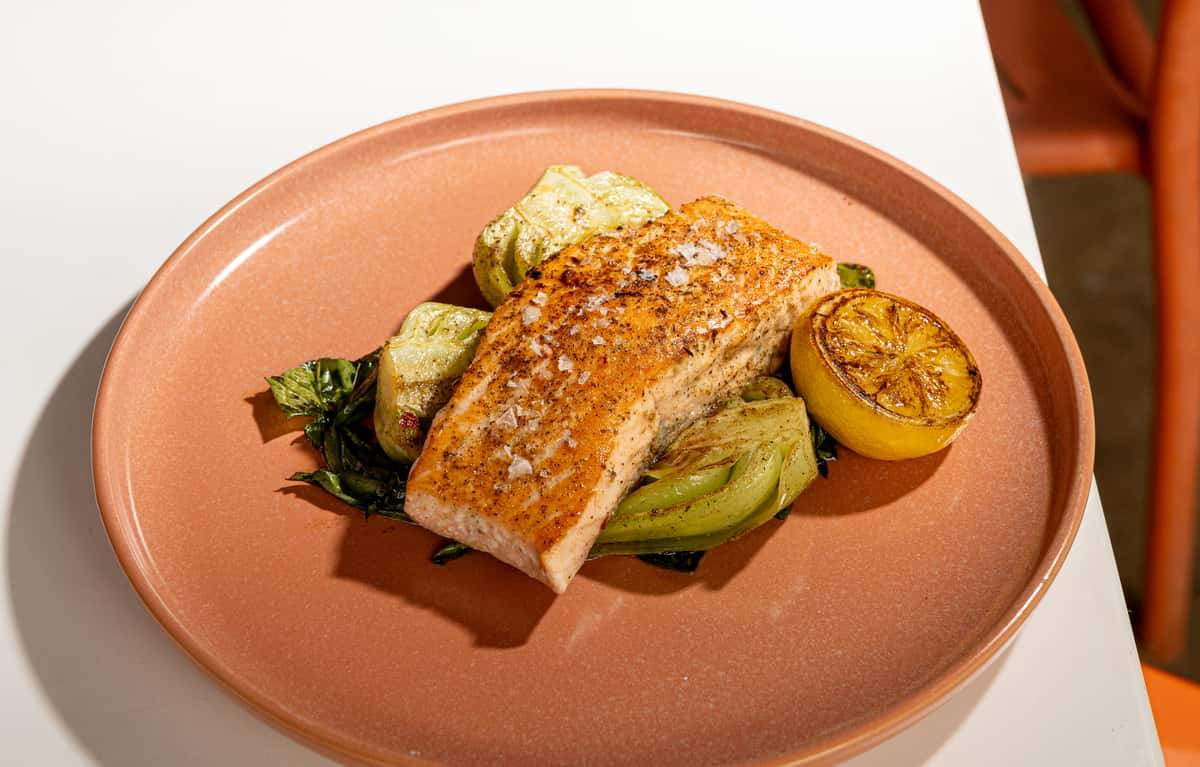
Yes, Glass & Vine serves dishes featuring fresh bok choy. The dinner menu includes Bok Choy with Grilled Lemon and EVOO, priced at $33, showcasing the vegetable in an elegant, Asian-inspired presentation. The restaurant's menu features locally-sourced vegetables as components in their seasonal dishes.
Set beneath the oak canopy of Peacock Park, Glass & Vine pairs locally sourced ingredients with a relaxed, garden-inspired atmosphere. For guests curious about this cruciferous green after reading about its preparation, tasting it in a chef-driven dish offers a rewarding first experience. Glass & Vine's lush, open-air setting beneath Peacock Park's oak canopy provides an ideal atmosphere to experience bok choy as part of a thoughtfully composed meal, where the focus on fresh, locally-sourced ingredients ensures the vegetable's quality and flavor shine through.
What Are the Key Takeaways About Bok Choy and How to Cook It?
The key takeaways about bok choy and how to cook it center on proper timing, separation of parts, and versatility. Bok choy belongs to the Brassica family, delivers substantial vitamins C and K per serving, and works equally well raw in salads or cooked in stir-fries, soups, and braises.
Essential cooking principles to remember:
- Separate stems from leaves, since stems need more heat and leaves wilt in under two minutes.
- According to Hungryroot, baby bok choy takes about 2 to 3 minutes when boiling, while larger varieties need 5 to 7 minutes.
- Select heads with crisp, vibrant leaves and firm stalks; store smaller varieties within three days.
- Avoid overcooking by using high heat for short durations when stir-frying or blanching.
Whether you prepare bok choy at home or enjoy it at Glass & Vine in Coconut Grove, mastering these basics ensures tender, flavorful results every time.